
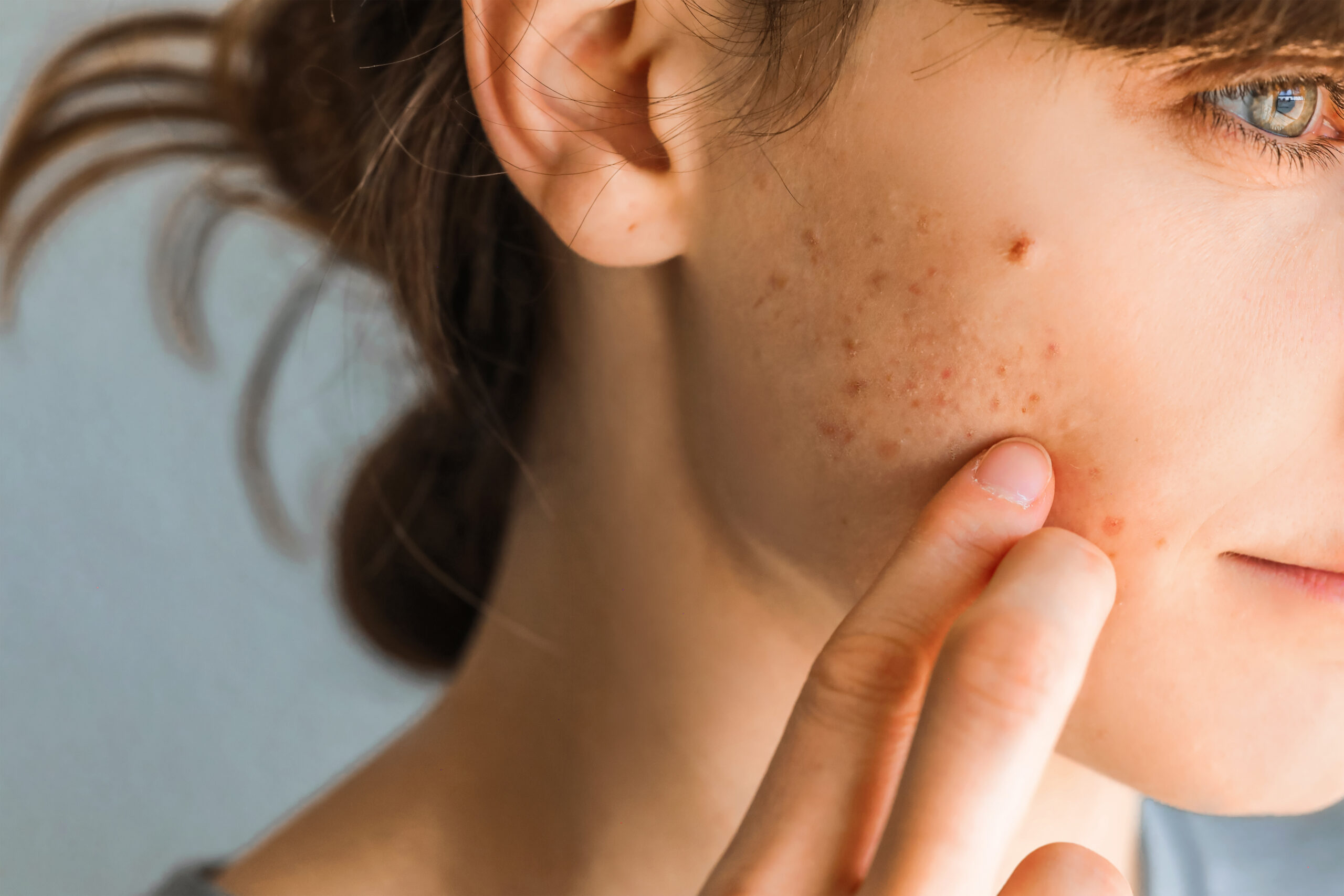
Every age group can get Acne, which is a prevalent skin disorder. It happens when oil and dead cells from the skin get stuck in the hair follicles. This makes pimples, clogged pores, and whiteheads appear. Acne is not a severe illness, but it can be unpleasant and significantly affect a person’s sense of self-worth. Multiple methods exist to avoid and treat Acne, which is good news.
Deterrence
Acne is rarely treatable. Therefore, deterrence is always your best bet. However, the following are some suggestions that might help you maintain good skin and prevent Acne:
Facewash Twice every day
It is essential to maintain clean skin if you want to avoid getting Acne. You should use a mild cleanser to clean your face twice a day, particularly if you have been sweating or after you have been wearing makeup. Scrubbing the skin too vigorously might cause it to get irritated and dry out, so try to avoid doing that.
Avoid Contact with Your Face
Since your hands are always covered with grime, oil, and germs, you should not touch your face to avoid transferring any of these things onto your skin. Moreover, it would help to avoid picking at your Acne or popping your zits since doing so may cause scarring and more outbreaks.
Monitor Your Diet
Studies have revealed that high-glycemic-index meals (such as sweet or packaged foods) and milk products may lead to acne outbreaks. Still, no one diet is responsible for causing Acne. Consuming a diet that is well-balanced and abundant in fruits, veggies, and whole grains may assist in maintaining good skin.
Take Control of Stress
Acne can is a result of stress because it causes an increase in hormone levels throughout the body. Therefore, engaging in stress-relieving activities such as yoga, exercise, and deep breathing is essential to control your anxiety.
Intervention
If people currently suffer from Acne, several treatments may help clean up the skin, including the following:
Medications Used Topically
Topical acne treatments are used on the skin directly and frequently serve as the first defensive measure against the condition. Benzoyl peroxide, salicylic acid, or retinoids are some of the many components included in over-the-counter or prescription versions of these products. These treatments are effective because they clear up clogged pores and calm irritation.
Medicines administered orally
Your dermatologist may recommend oral treatments like antibiotics or isotretinoin if your Acne is more severe. These drugs are orally taken. These drugs are effective because they lessen the number of bacteria that is on the skin’s surface, and they control the production of oil.
Treatment with Light
A more recent therapeutic method for Acne is light therapy. The treatment eliminates microorganisms on the skin while reducing inflammation by using specific wavelengths of light. Moderate to severe Acne may respond well to this therapy, usually within a dermatologist’s office.
Lifestyle Modifications
Alterations to one’s lifestyle, alongside medical therapy, may also contribute to an improvement in Acne. For instance, if you want to limit the number of breakouts you get, you should steer clear of clothes that fit too snugly and look for items that are non-comedogenic, which means they won’t clog your pores. In addition, wearing sunscreen with a sun protection factor (SPF) of at least 30 to shield the skin from the sun’s potentially damaging ultraviolet radiation is an effective way to stop additional damage and discomfort to the skin.
Acne may lower self-esteem. Lifestyle, topical, and medicinal therapies may prevent and cure Acne. Cleansing, minimizing allergens, and reducing stress may minimize outbreaks. Acne treatments are available if you get them. See a dermatologist and be patient to get the best acne therapy for your kind. You can enhance your health and skin with the appropriate approach.